
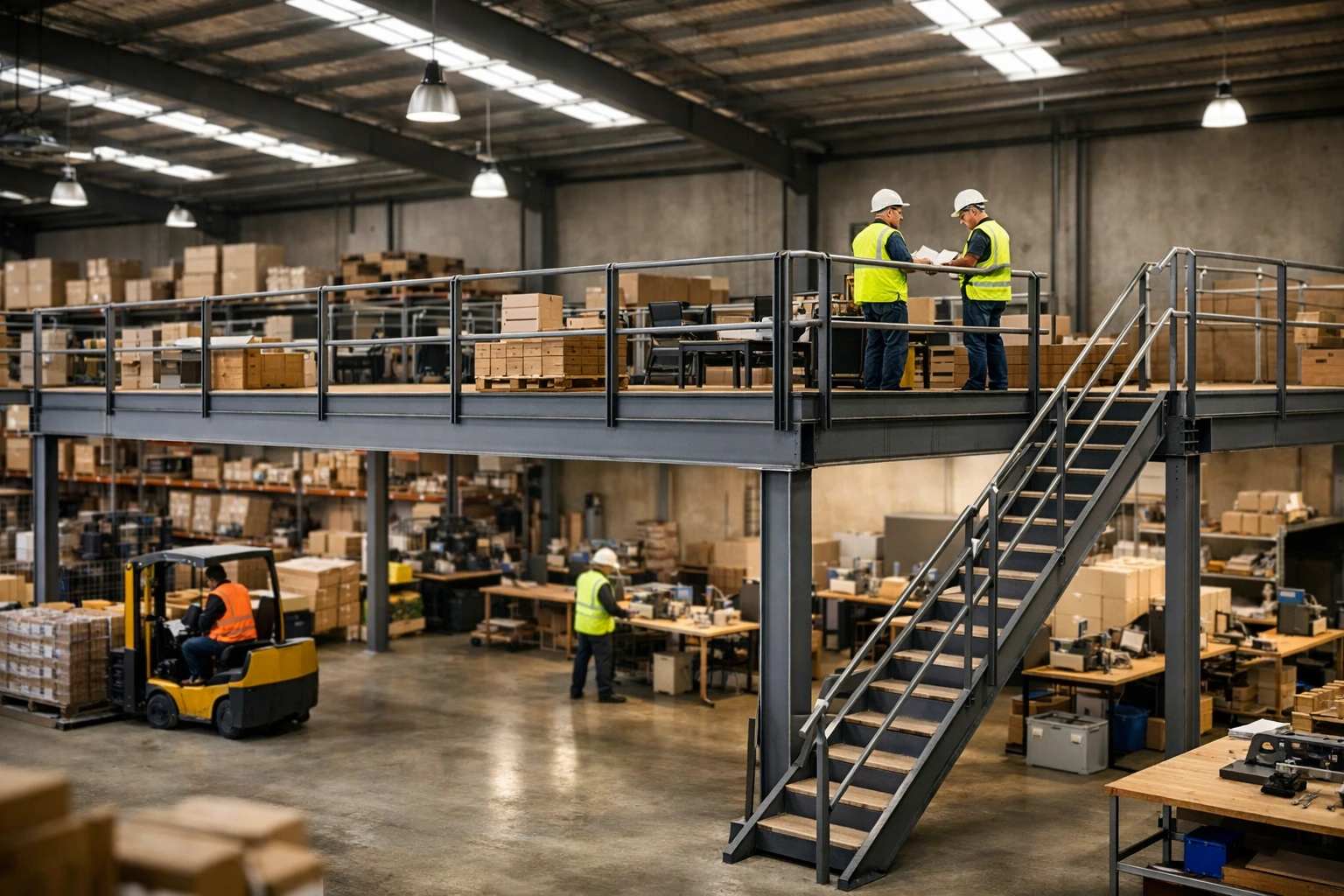
Running out of space is one of the most common growth challenges for Australian businesses. Whether you operate a warehouse, factory or distribution centre, expanding operations often comes down to one big decision: relocate or optimise your current space.
For many, installing a mezzanine floor is the smarter move. But what does it really cost? And more importantly, how do you budget properly without surprises?
In this guide, we break down the true cost of a mezzanine floor and share practical budgeting tips, with insights from experienced providers like Factory Mezzanine Floors.
What Is a Mezzanine Floor?
A mezzanine floor is an intermediate level built within an existing building to create additional usable space without expanding the footprint. These structures are typically made from engineered steel and can be tailored for storage, offices, production areas or retail displays.
Modern mezzanines are often modular and engineered to meet Australian safety standards, allowing businesses to expand vertically without major structural changes.
For many growing companies, this approach unlocks underutilised vertical space and can significantly increase operational capacity.
Average Mezzanine Floor Costs in Australia
The cost of a mezzanine floor varies depending on size, load requirements and design complexity. While prices differ between projects, typical Australian installations may include:
- Basic mezzanines: $350–$700 per m²
- Heavy-duty industrial mezzanines: $700–$1,200+ per m²
- Turnkey projects (design + install): Higher upfront but fewer hidden costs
For example, a mid-sized structural mezzanine can range into the hundreds of thousands, depending on load-bearing requirements and compliance factors.
While these figures might sound significant, they’re often substantially lower than relocation or full building extensions.
The Biggest Factors That Affect Price
Understanding cost drivers helps you budget more accurately and avoid surprises later.
1. Load Capacity
The heavier the load requirements, the more engineering and steel reinforcement required. Industrial manufacturing platforms cost more than light storage mezzanines.
2. Size and Span
Larger open spans require stronger structural design. Column placement also impacts usability and cost.
3. Compliance and Engineering
Australian mezzanines must meet strict safety standards, including guardrails, stairs and load certifications.
Professional engineering ensures compliance but adds to upfront costs.
4. Fit-Out and Accessories
Additional elements such as pallet gates, safety rails, fire compliance or office fit-outs increase total project costs.
5. Installation Complexity
Retrofits in older buildings or operational facilities may require staged installation, which adds labour and project management costs.
This is where working with an experienced provider like Factory Mezzanine Floors makes a difference. Their end-to-end approach — from design through installation — helps reduce costly missteps during planning and execution.
Hidden Costs Businesses Often Overlook
Many mezzanine projects exceed budget not because of structure costs, but overlooked extras.
Here are common hidden costs:
- Engineering certifications
- Building approvals
- Fire safety upgrades
- Electrical and lighting relocation
- Workflow redesign or racking adjustments
- Temporary operational disruptions
An experienced mezzanine builder will help identify these early, giving you a more accurate total investment figure upfront.
Mezzanine vs Relocation: The Real Financial Comparison
When space runs out, many businesses instinctively consider moving. However, relocation costs go far beyond rent.
Moving facilities often includes:
- Lease break penalties
- Downtime and lost productivity
- Fit-out costs
- Staff disruption and retraining
- Logistics reconfiguration
In contrast, mezzanine floors can cost significantly less than relocating while delivering similar increases in usable space. Some projects cost 40–60% less than moving to a larger facility.
👉 Suggested internal link: Relocation vs Mezzanine: Which Is Better for Growing Businesses?
Calculating ROI: Is a Mezzanine Worth It?
A mezzanine isn’t just a cost — it’s an investment.
Many businesses see returns through:
Increased Storage Capacity
Mezzanines can dramatically increase usable floor area by utilising vertical space that would otherwise remain unused.
Operational Efficiency
Separating workflows across levels reduces congestion and improves productivity.
Avoided Relocation Costs
By staying in your current facility, you eliminate relocation expenses and downtime.
Faster Expansion
Mezzanines can often be installed in weeks rather than months required for relocations or extensions.
In many cases, businesses recover their investment within a couple of years through operational savings and efficiency gains.
👉 Suggested internal link: Mezzanine Cost vs ROI: What Businesses Need to Know
Budgeting Tips for a Successful Mezzanine Project
If you’re considering installing a mezzanine, smart budgeting is essential.
1. Define Your Use Case Clearly
Storage, office space and production platforms all have different engineering requirements. The clearer your purpose, the more accurate your quote.
2. Plan for Future Growth
Installing a slightly larger mezzanine upfront can be more cost-effective than expanding later.
3. Choose Turnkey Providers
Working with a full-service partner like Factory Mezzanine Floors ensures design, engineering and installation are aligned from the start, reducing risk and delays.
4. Consider Workflow Design
A mezzanine should enhance operations, not complicate them. Plan stairs, access points and material flow early.
5. Account for Compliance Early
Building approvals and certifications are non-negotiable in Australia. Budget for them upfront to avoid delays.
Why Businesses Choose Factory Mezzanine Floors
Choosing the right provider can make or break your project budget.
Factory Mezzanine Floors offers an end-to-end service covering design, engineering and installation, helping businesses avoid fragmented project management. Their experience across industrial builds ensures solutions tailored to both SMEs and enterprise clients.
This integrated approach reduces risk, improves cost transparency and ensures projects are delivered efficiently.
Final Thoughts: Budget Smart, Build Once
A mezzanine floor is one of the most cost-effective ways to scale your business without leaving your current location. While upfront costs can seem significant, the long-term savings and operational benefits often outweigh relocation or expansion alternatives.
The key to success lies in proper planning, realistic budgeting and partnering with experienced professionals.
If your business is feeling the pressure of limited space, a well-designed mezzanine could be the smartest investment you make this decade.
- How to Maintain Your Mezzanine Floor for Maximum Longevity
- Ways to Reconfigure Your Mezzanine Floor as Your Business Grows
- Before & After: Transforming Warehouse Layouts with Mezzanine Floors
- How a Mezzanine Floor Increased Productivity by 40%
- Common Mistakes to Avoid When Installing a Mezzanine Floor
- Mezzanine Floors vs. Relocation: Which Saves More Money?
- 5 Signs Your Business Needs a Mezzanine Floor
- The Importance of Professional Engineering in Mezzanine Design
- How to Ensure Your Mezzanine Floor Meets Fire Safety Standards in Australia
- How to Ensure Your Mezzanine Floor Meets Fire Safety Standards