
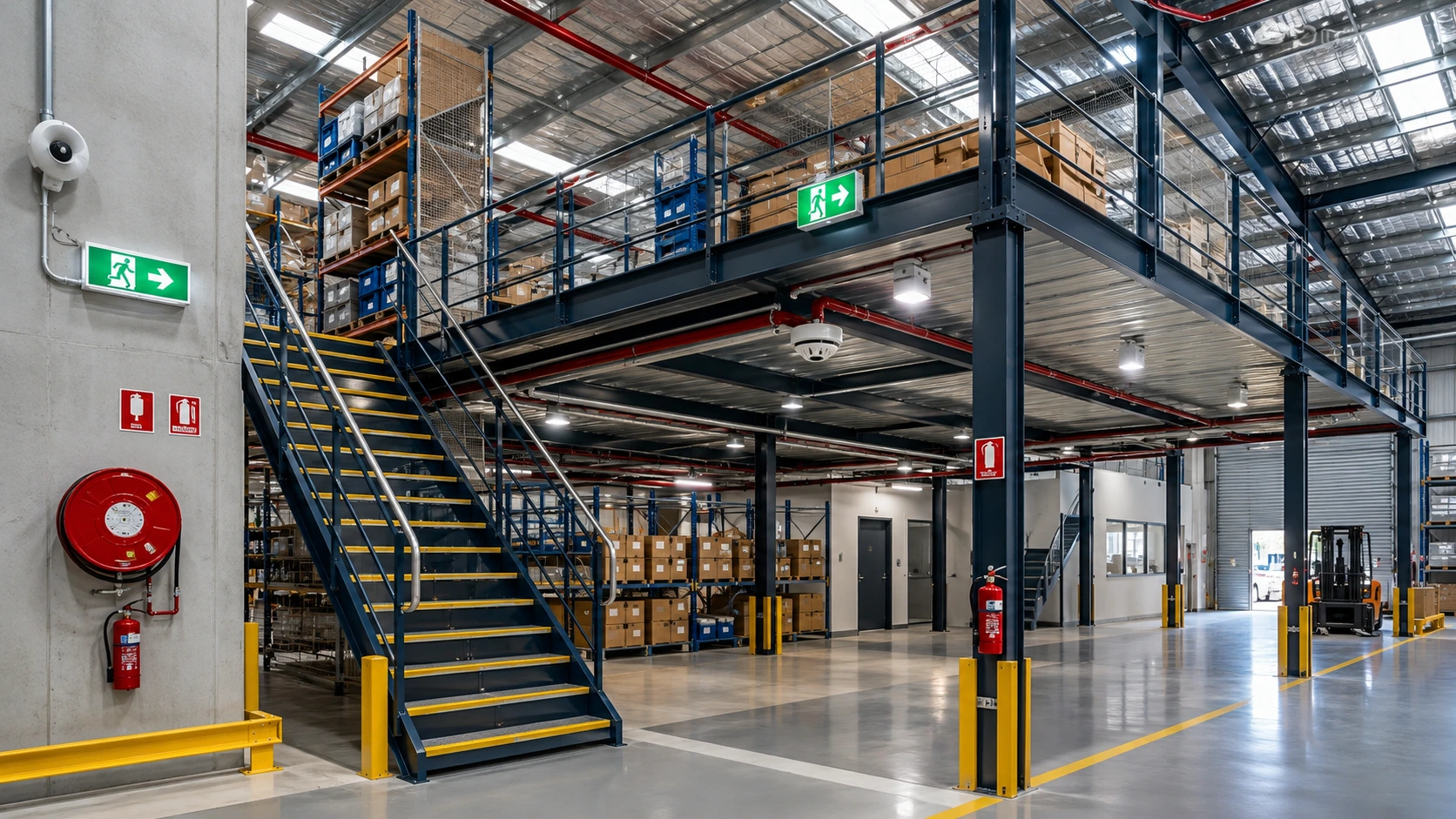
How to Ensure Your Mezzanine Floor Meets Fire Safety Standards
Installing a mezzanine floor is one of the smartest ways Australian businesses can maximise unused vertical space without the expense of relocating premises. Whether you are expanding warehouse storage, creating additional office space, or improving operational efficiency, fire safety must be a key part of the planning process from day one.
A mezzanine floor changes the layout and fire behaviour of a building. It introduces new evacuation routes, alters smoke movement, and can increase the fire load within the premises. If fire safety requirements are overlooked, businesses may face failed inspections, insurance issues, costly rectification work, or serious safety risks for staff and visitors.
For businesses investing in industrial or commercial mezzanine floors, ensuring compliance with Australian fire safety standards is not simply about ticking a box — it is about protecting people, assets, and long-term operations.
Why Fire Safety Matters for Mezzanine Floors
Adding a mezzanine level creates an elevated working environment that must comply with Australian building and fire safety regulations. The National Construction Code (NCC) outlines requirements relating to fire resistance, safe evacuation, emergency access, and structural protection.
A poorly designed mezzanine can contribute to:
- Faster fire spread between levels
- Restricted evacuation routes
- Smoke accumulation
- Increased structural failure risk
- Greater damage to inventory and equipment
In many commercial and warehouse environments, mezzanines are used for storage. This often increases combustible materials within the building, making proper fire protection even more critical.
Businesses that invest in compliant mezzanine design from the beginning are more likely to avoid costly modifications later and achieve faster council or building approval outcomes.
Understanding Australian Fire Safety Requirements
Every mezzanine project is different, and the exact fire safety requirements will depend on factors such as:
- Building classification
- Intended mezzanine use
- Floor area
- Occupancy numbers
- Existing fire protection systems
- Ceiling height and building layout
However, several core fire safety measures apply to most mezzanine floor installations.
Fire-Resistant Structural Protection
Steel mezzanine structures can weaken rapidly under extreme heat. To maintain structural integrity during a fire event, steel columns and beams may require fire-rated protection systems.
This often includes:
- Intumescent paint coatings
- Fire-rated cladding
- Fire-protective ceiling systems
- Fire-resistant wall linings
The required fire resistance level can vary depending on the building type and mezzanine size. Professional mezzanine designers work closely with engineers and certifiers to determine the correct specification.
Safe Fire Escape Routes
One of the most important compliance considerations is providing safe evacuation pathways.
Mezzanine floors may require:
- Multiple staircases
- Fire-isolated stairwells
- Maximum travel distance compliance
- Clearly marked emergency exits
- Emergency lighting and signage
If a mezzanine is too large or poorly configured, a single staircase may not meet compliance standards. The goal is to ensure occupants can evacuate safely and quickly during an emergency.
Escape routes should always remain unobstructed and designed around the building’s operational workflow.
Smoke Detection and Alarm Systems
Australian fire safety standards generally require smoke detection systems above and below mezzanine floors.
These systems should integrate with the building’s existing fire alarm network to ensure early warning throughout the premises.
Depending on the building classification, requirements may include:
- Smoke detectors
- Heat detectors
- Audible alarms
- Emergency communication systems
Early detection significantly improves evacuation times and reduces fire-related damage.
Fire Suppression Systems
Sprinkler systems are often required for larger mezzanine installations or storage-heavy environments.
Fire suppression requirements may involve:
- Sprinklers above the mezzanine
- Sprinklers beneath the mezzanine
- Extended coverage zones
- Additional water supply capacity
Storage mezzanines, particularly those used for palletised goods or high-density inventory, usually require more extensive fire protection planning.
Fire Separation and Compartmentation
Some mezzanine floors require fire-rated separation between operational areas.
This may include:
- Fire-rated partitions
- Smoke barriers
- Fire-resistant ceilings
- Enclosed office spaces
Compartmentation helps slow the spread of smoke and flames, allowing safer evacuation and reducing property damage.
Common Fire Safety Mistakes Businesses Make
One of the biggest causes of compliance issues is treating fire safety as an afterthought rather than part of the initial design process.
Here are some of the most common mistakes businesses make when installing mezzanine floors.
Underestimating Fire Load
Storage mezzanines often contain cardboard, packaging, stock, and combustible materials that increase fire risk.
Without proper protection systems, businesses may fail compliance assessments or face increased insurance premiums.
Installing Insufficient Escape Access
Some businesses assume a single staircase will be acceptable regardless of mezzanine size or occupancy.
In reality, larger mezzanines often require multiple exits to comply with Australian standards.
Failing to Protect Structural Steel
Exposed steel may weaken quickly during a fire event. Without adequate fire-rated treatment, the mezzanine structure itself can become a major hazard.
Ignoring Existing Fire System Integration
A mezzanine floor should work with the building’s existing fire systems — not separately from them.
Alarm systems, emergency lighting, and sprinkler coverage all need coordinated integration.
Skipping Professional Compliance Advice
DIY or poorly planned mezzanine installations often create long-term compliance problems.
Working with experienced mezzanine specialists helps businesses avoid delays, redesign costs, and failed inspections.
For more guidance on avoiding costly installation problems, read our article about common mezzanine mistakes.
How to Ensure Your Mezzanine Meets Fire Safety Standards
The best approach to fire safety is proactive planning from the beginning of the project.
Work With Experienced Mezzanine Specialists
Professional mezzanine suppliers understand Australian compliance requirements and design systems that meet current building standards.
Experienced providers coordinate with:
- Structural engineers
- Building certifiers
- Fire consultants
- Local authorities
This ensures fire safety is incorporated into the design from the earliest stages.
Conduct a Fire Risk Assessment
A fire risk assessment helps identify hazards specific to your facility and intended mezzanine use.
This assessment can determine:
- Required fire ratings
- Escape route needs
- Detection system upgrades
- Sprinkler requirements
- Occupancy limitations
Regular reviews should also occur after installation to maintain ongoing compliance.
Engage Building Approval Authorities Early
Involving certifiers and local building authorities early can help prevent approval delays later in the process.
Early consultation often saves businesses significant time and money by identifying compliance issues before construction begins.
Future-Proof Your Mezzanine Design
Many businesses outgrow their original mezzanine layout within a few years.
Planning ahead for future expansion may reduce the need for major modifications later, especially if operational changes increase occupancy or storage requirements.
Keep Compliance Documentation
Fire-rated materials and systems should always include certification documents.
Maintaining records helps with:
- Insurance requirements
- Future inspections
- Building approvals
- Workplace safety audits
Proper documentation also provides peace of mind that your mezzanine has been designed and installed correctly.
For additional guidance on approval requirements, see our mezzanine compliance guide.
The Importance of Ongoing Fire Safety Maintenance
Compliance does not end once the mezzanine is installed.
Businesses should regularly inspect and maintain:
- Fire alarms
- Emergency lighting
- Stair access
- Fire doors
- Sprinkler systems
- Fire-rated coatings
Operational changes can also impact compliance over time. For example, switching from office use to heavy storage may create new fire safety obligations.
Routine inspections and ongoing maintenance help ensure the mezzanine remains safe, compliant, and operational for years to come.
Final Thoughts
A mezzanine floor is a valuable investment that can dramatically improve space efficiency and productivity. However, fire safety should never be overlooked during the design and installation process.
From structural fire protection and evacuation planning to sprinkler systems and smoke detection, every detail plays a role in protecting people and property.
Businesses that prioritise fire safety from the beginning are more likely to achieve smoother approvals, maintain insurance compliance, and avoid expensive retrofits in the future.
At Factory Mezzanine Floors, mezzanine systems are designed with safety, compliance, and long-term functionality in mind. Working with experienced specialists ensures your mezzanine floor meets Australian fire safety standards while supporting the future growth of your business.
- Common Mistakes to Avoid When Installing a Mezzanine Floor
- How a Mezzanine Floor Can Double Your Storage Without Adding a Single Square Metre
- Mezzanine Floors vs. Relocation: Which Saves More Money? | Factory Mezzanine Floors
- 5 Signs Your Business Needs a Mezzanine Floor | Factory Mezzanine Floors
- The Importance of Professional Engineering in Mezzanine Design | Factory Mezzanine Floors
- How to Ensure Your Mezzanine Floor Meets Fire Safety Standards
- How to Ensure Your Mezzanine Floor Meets Fire Safety Standards in Australia
- How to Ensure Your Mezzanine Floor Meets Fire Safety Standards in Australia
- How to Calculate the Load Capacity of Your Mezzanine Floor | Factory Mezzanine Floors
- How to Maximise Warehouse Space Without Moving Premises | Factory Mezzanine Floors