
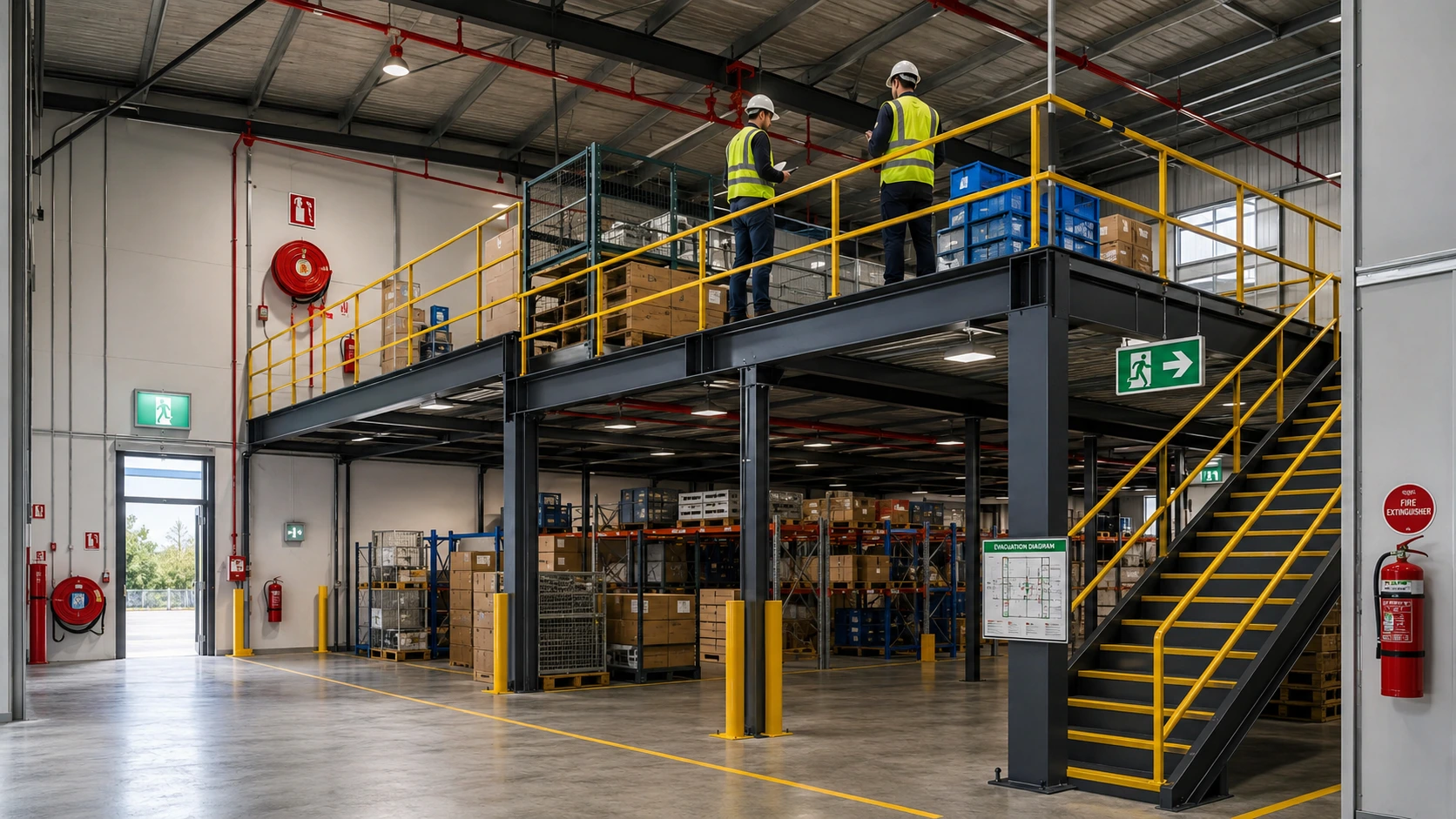
How to Ensure Your Mezzanine Floor Meets Fire Safety Standards
Installing a mezzanine floor is one of the most effective ways for Australian businesses to maximise warehouse space without relocating to larger premises. Whether used for storage, manufacturing, office areas, or order fulfilment, mezzanine floors provide a practical and cost-effective solution for growing operations.
However, before construction begins, fire safety compliance must be considered carefully. Fire safety standards for mezzanine floors in Australia are strict for good reason — they protect workers, visitors, inventory, and the building itself in the event of an emergency.
Failure to meet fire safety requirements can lead to costly rectification work, delays in council approval, insurance complications, and serious safety risks. Working with experienced mezzanine floor specialists helps ensure your structure is compliant from the very beginning.
At Factory Mezzanine Floors, businesses across Australia can access professionally engineered mezzanine solutions designed to meet Australian standards and site-specific compliance requirements.
Why Fire Safety Compliance Matters
A mezzanine floor changes the internal layout and fire dynamics of a building. Once a new level is introduced, factors such as evacuation routes, sprinkler coverage, smoke movement, and structural fire resistance all become critically important.
Australian building regulations generally require mezzanine floors to comply with:
- The National Construction Code (NCC)
- Australian Standards
- Local council regulations
- Fire engineering requirements
- Workplace health and safety obligations
Non-compliant mezzanine floors may create dangerous evacuation conditions during emergencies or interfere with fire suppression systems already installed within the building.
Businesses also risk:
- Fines or enforcement notices
- Delays in occupancy approvals
- Insurance claim disputes
- Expensive retrofits
- Operational shutdowns
This is why fire safety planning should never be treated as an afterthought.
Understanding Fire Safety Requirements for Mezzanine Floors
Fire safety requirements vary depending on the mezzanine’s size, purpose, occupancy type, and the existing warehouse configuration.
Several key factors are assessed during the planning and approval process.
Fire Sprinkler Coverage
One of the most common compliance issues involves sprinkler systems. Adding a mezzanine floor can obstruct existing sprinkler coverage, creating unsafe blind spots underneath or above the structure.
Depending on the design, additional sprinklers may be required to ensure adequate fire suppression throughout all levels of the warehouse.
A professional mezzanine designer will coordinate with fire engineers and certifiers to determine whether:
- Existing sprinkler systems remain compliant
- Additional sprinkler heads are required
- Water pressure upgrades are necessary
- Fire system modifications must be completed before approval
Emergency Exits and Evacuation Paths
Safe evacuation is another major requirement.
Mezzanine floors must provide clear and compliant access to exits during emergencies. This includes:
- Adequate stair widths
- Appropriate travel distances
- Clearly marked exits
- Non-slip stair surfaces
- Emergency lighting
- Handrails and balustrades
The number of exits required may increase depending on the mezzanine’s floor area and occupancy.
Poorly designed stair access is one of the most common causes of failed inspections and compliance issues.
Businesses planning a mezzanine installation should also review broader compliance considerations before construction begins. Related guidance can be found in posts covering mezzanine compliance requirements and common installation mistakes.
Fire Resistance of Structural Components
The structural materials used in mezzanine construction also affect fire safety performance.
Steel mezzanine floors may require protective coatings or fire-rated treatments depending on the building classification and intended use.
Fire engineers may assess:
- Load-bearing capacity during fire events
- Fire resistance levels (FRLs)
- Structural stability under heat exposure
- Fire-rated walls or partitions
- Smoke containment measures
Using certified materials and engineered designs is essential for long-term compliance.
Smoke Detection and Alarm Systems
Adding a mezzanine floor may also impact smoke detection performance.
Smoke and heat can accumulate differently once an elevated platform is introduced into the building. Existing detectors may no longer provide sufficient coverage.
Compliance upgrades may include:
- Additional smoke detectors
- Heat detectors
- Fire alarm integration
- Emergency warning systems
Proper placement of these systems ensures occupants receive early warning during emergencies.
Storage Type and Fire Risk
The type of goods stored on or beneath a mezzanine floor significantly affects fire safety requirements.
Warehouses storing:
- Flammable products
- Chemicals
- Paper goods
- Packaging materials
- High-density inventory
may require stricter fire protection measures.
Higher fire loads often result in additional engineering requirements, including enhanced sprinkler systems, fire separation, or restricted storage configurations.
Discussing intended storage use early in the planning stage helps avoid costly redesigns later.
Common Fire Safety Mistakes with Mezzanine Floors
Many compliance issues arise because businesses focus primarily on maximising floor space while overlooking fire regulations.
Some of the most common mistakes include:
Installing Without Proper Approvals
Some businesses attempt to install mezzanine floors without council approvals or engineering certification.
This can create major legal and insurance problems, especially if an incident occurs.
Professional mezzanine installations should always include engineering documentation and compliance assessments.
Blocking Existing Sprinklers
Poorly positioned mezzanine structures can obstruct sprinkler coverage and reduce fire suppression effectiveness.
This issue often requires expensive retrofitting after installation.
Inadequate Exit Access
Narrow staircases, excessive travel distances, or poorly placed exits can create dangerous evacuation conditions.
Emergency access requirements should always be incorporated into the initial design phase.
Ignoring Fire Load Calculations
Different storage types create different fire risks.
Businesses that increase storage density without reassessing fire protection systems may unintentionally breach compliance requirements.
Using Non-Compliant Materials
Uncertified materials or poorly engineered structures may fail inspections and compromise building safety.
Working with experienced mezzanine specialists helps avoid these costly mistakes.
The Importance of Professional Design and Engineering
Every warehouse and industrial facility has unique operational requirements.
A professionally designed mezzanine floor considers:
- Fire safety compliance
- Structural engineering
- Workflow efficiency
- Warehouse accessibility
- Future scalability
- Building code approvals
Experienced providers coordinate with certifiers, engineers, and fire consultants to streamline the approval process and minimise delays.
Choosing a qualified Australian mezzanine supplier ensures your structure is designed to meet current safety regulations while supporting long-term business growth.
Planning for Future Compliance
Businesses often underestimate how quickly operational needs can change.
A mezzanine floor designed solely for current requirements may become non-compliant if:
- Storage density increases
- Product types change
- Staffing levels grow
- Warehouse layouts are modified
Future-proofing the design during the planning stage helps reduce the need for costly upgrades later.
Scalable mezzanine systems allow businesses to adapt safely while maintaining compliance standards.
Choosing the Right Mezzanine Floor Partner
Fire safety compliance should never rely on guesswork.
Working with experienced mezzanine professionals helps ensure your project is properly engineered, certified, and compliant from the outset.
Factory Mezzanine Floors provides custom mezzanine floor solutions for warehouses, factories, and industrial facilities across Australia. Their team understands the importance of integrating fire safety, structural integrity, and operational efficiency into every project.
From design and engineering through to installation and compliance support, professional guidance can help businesses avoid costly mistakes while creating safe and efficient warehouse environments.
Final Thoughts
Mezzanine floors are an excellent investment for businesses needing additional warehouse space, but fire safety compliance must remain a top priority throughout the process.
Proper planning, engineering, and approval management help ensure your mezzanine floor meets Australian fire safety standards while protecting staff, assets, and business operations.
By partnering with experienced mezzanine specialists and addressing fire safety requirements early, businesses can confidently create compliant, efficient, and future-ready industrial spaces.
- How to Maintain Your Mezzanine Floor for Maximum Longevity
- Ways to Reconfigure Your Mezzanine Floor as Your Business Grows
- Before & After: Transforming Warehouse Layouts with Mezzanine Floors
- How a Mezzanine Floor Increased Productivity by 40%
- Common Mistakes to Avoid When Installing a Mezzanine Floor
- Mezzanine Floors vs. Relocation: Which Saves More Money?
- 5 Signs Your Business Needs a Mezzanine Floor
- The Importance of Professional Engineering in Mezzanine Design
- How to Ensure Your Mezzanine Floor Meets Fire Safety Standards in Australia
- How to Ensure Your Mezzanine Floor Meets Fire Safety Standards