
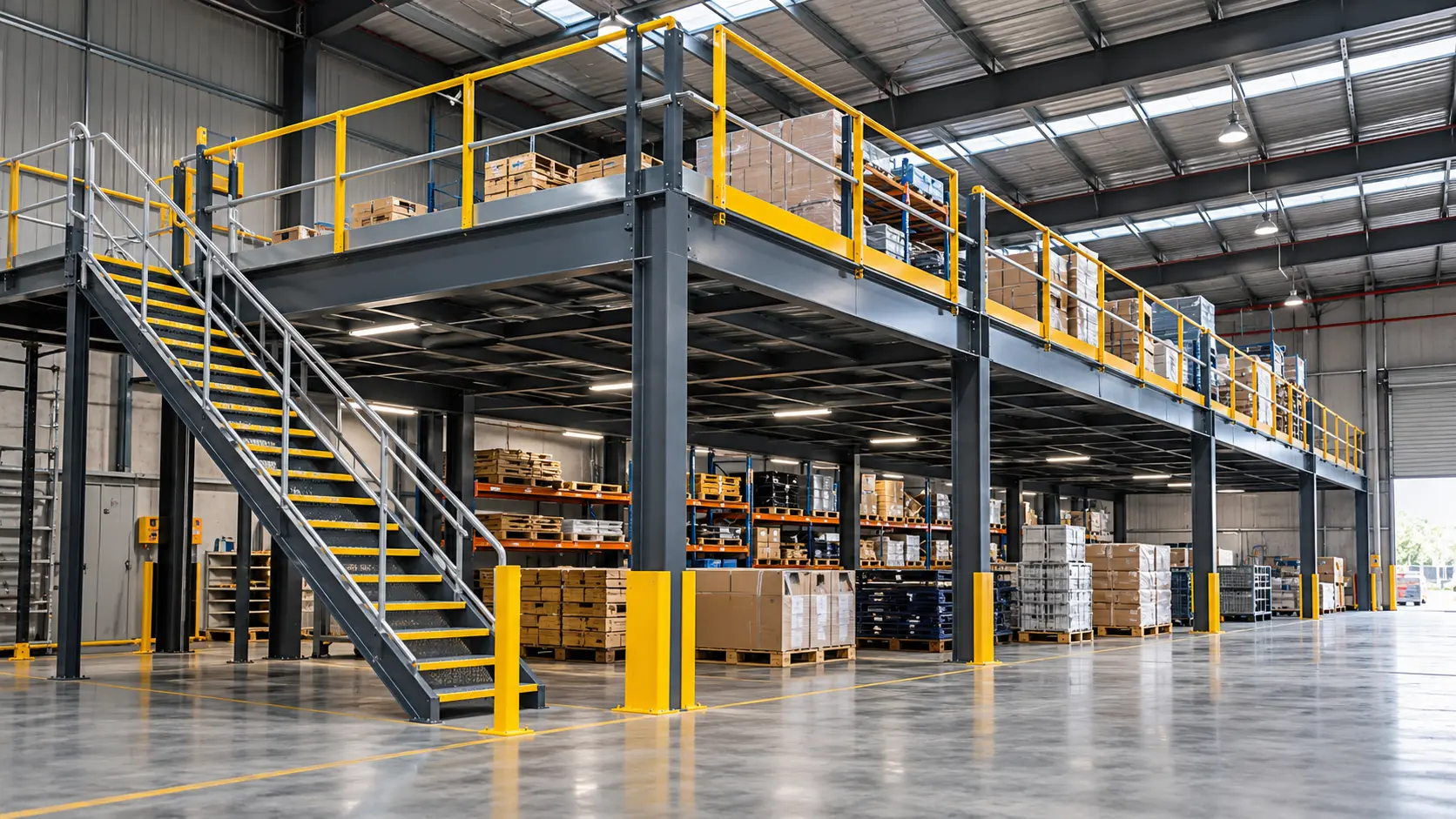
A mezzanine floor is a practical way to maximise usable space in a warehouse, factory or commercial facility without expanding the building's footprint. By making better use of vertical space, businesses can create additional storage areas, workstations, offices and operational zones while improving the overall layout of their premises.
However, installing a mezzanine floor is only the beginning. Like any structural asset in a busy industrial environment, it requires regular inspections, responsible use and ongoing maintenance to perform reliably over time.
For businesses investing in Factory Mezzanine Floors, understanding how to care for a mezzanine system can help protect the investment, maintain workplace safety and support changing operational requirements.
From managing load capacity to inspecting structural components and planning future reconfigurations, here are the essential practices for extending the service life of your mezzanine floor.
1. Understand and Respect Your Mezzanine Floor's Load Capacity
Load capacity is one of the most important considerations when maintaining a mezzanine floor. Every system is designed to support specified loads, and exceeding those limits can place excessive stress on structural components.
Before using the platform, ensure that staff understand its approved load capacity and any restrictions on how weight should be distributed.
Display clear load-rating information
Load-rating signs should be visible at appropriate access points so workers can easily identify the maximum permitted loading. Staff should understand the difference between uniformly distributed loads and concentrated loads, such as heavy machinery, pallet stacks or individual pieces of equipment.
A mezzanine rated for evenly distributed storage loads may not automatically be suitable for a heavy machine positioned in one small area.
Distribute weight correctly
Avoid concentrating heavy items in a single location unless the design specifically permits it. Use approved storage layouts and ensure that heavy goods are placed in designated areas according to the engineered design.
Changes to inventory, equipment or storage methods should trigger a review of the loading arrangements.
Review changing operational demands
As businesses grow, their storage and production requirements often change. New equipment, denser inventory or additional workstations can increase the load placed on a mezzanine.
If the intended use changes, consult a suitably qualified structural engineer to confirm that the existing structure remains appropriate.
Understanding and respecting load capacity helps protect the mezzanine's structural integrity and reduces the risk of costly damage or unsafe operating conditions.
2. Schedule Regular Structural Inspections
Routine inspections help identify developing problems before they become more serious. Although steel mezzanine systems are designed for demanding environments, their condition can be affected by impact, vibration, corrosion, overloading and general wear.
Establish an inspection schedule suited to the mezzanine's design, usage intensity and working environment.
Check critical structural components
Inspections should cover accessible structural members, columns, beams, bracing, connections, base plates and floor surfaces. Look for visible deformation, cracks, loose or missing fixings, corrosion and other signs of deterioration.
Pay particular attention to areas exposed to forklift movements, heavy handling equipment or frequent material transfers.
Investigate unusual changes
Any unexpected movement, noticeable deflection, impact damage or new structural distortion should be assessed promptly. Restrict access to affected areas where there may be an immediate safety risk, and arrange an appropriate professional inspection.
Do not attempt to straighten structural members, modify connections or carry out improvised repairs without engineering advice.
Keep inspection records
Document inspection dates, observations, maintenance activities and corrective actions. Photographs can help track changes over time and provide useful information when engaging maintenance contractors or engineers.
A consistent inspection process gives facility managers a clearer picture of the mezzanine's condition and helps support proactive maintenance decisions.
3. Keep the Floor Surface Clean and in Good Condition
The floor surface plays an important role in the safe and effective operation of a mezzanine. Dust, packaging debris, oil, water and loose materials can create slip hazards, interfere with equipment movement and make damage more difficult to identify.
Regular housekeeping should form part of the site's daily operating procedures.
Remove waste and obstructions promptly, use cleaning methods suitable for the installed floor system, and investigate any areas showing unusual wear, corrosion or surface damage.
Where the mezzanine supports trolleys, pallet jacks or other handling equipment, ensure the floor surface remains suitable for the intended traffic and loading conditions.
Avoid introducing cleaning chemicals or moisture-intensive cleaning methods that could damage floor finishes or contribute to corrosion.
Any damaged flooring, loose panels or uneven transitions should be assessed and repaired using an approved method. Temporary fixes should not become permanent solutions, particularly in areas used by workers or material-handling equipment.
4. Maintain Guardrails, Stairs and Access Points
A mezzanine floor must provide safe access and suitable protection against falls. Guardrails, stairways, gates, ladders where specifically permitted, and loading access points should be included in routine safety checks.
Inspect guardrails and handrails for looseness, deformation, missing components and signs of impact. Check stairs for damaged treads, unstable fixings, worn surfaces and obstructions. Ensure landings and access routes remain clear.
Where loading gates or other access-control systems are installed, confirm that they operate as intended and are not being bypassed or left in an unsafe position.
Never remove a guardrail or modify a stairway to make material handling more convenient without an approved design and appropriate safety controls.
Workplace requirements should be assessed against applicable Australian regulations, relevant standards and the specific conditions of the facility. Guidance from Safe Work Australia can help businesses understand their workplace health and safety responsibilities.
Regular checks of these components help keep everyday activities safer and reduce the likelihood of incidents that could interrupt operations.
5. Prevent Rust, Corrosion and Structural Deterioration
Steel is widely used in industrial mezzanine systems because of its strength and durability. However, exposure to moisture, chemicals, airborne contaminants and harsh environmental conditions can contribute to corrosion over time.
Preventative maintenance helps preserve the condition of steel components and reduces the likelihood of more extensive repairs.
Identify corrosion early
Inspect exposed steelwork, connection points, floor supports and areas where moisture may accumulate. Rust, blistering paint, flaking coatings and discolouration can indicate that further investigation is needed.
Pay particular attention to facilities exposed to humidity, wash-down processes, chemical products or coastal conditions.
Maintain protective coatings
Where appropriate, repair damaged paint or protective coatings using products and procedures suitable for the existing steel system. Surface preparation and coating selection should be appropriate to the environment and the manufacturer's recommendations.
If corrosion appears extensive or affects a structural component, arrange an assessment by a suitably qualified professional before attempting repairs.
Avoid unauthorised structural repairs
Do not drill into, cut, weld or replace load-bearing components without appropriate engineering approval. Even seemingly minor alterations can affect the performance of a structural system.
Addressing deterioration early can help protect the mezzanine's long-term condition and minimise disruption to warehouse or factory operations.
6. Reconfigure Your Mezzanine Floor Without Compromising Safety
One of the key advantages of a well-planned mezzanine floor is its ability to support changing business requirements. A platform initially used for general storage might later accommodate workstations, picking areas, equipment or additional operational space.
However, reconfiguration must be planned around the original structural design, approved loading and workplace safety requirements.
Assess proposed changes before starting
Before moving heavy equipment, changing storage arrangements or repurposing an area, assess how the proposed changes could affect the structure.
Consider whether the new use introduces different loads, concentrated equipment weights, increased foot traffic or altered material-handling movements. A layout that works for lightweight cartons may not be suitable for dense palletised stock or machinery.
Consult a structural engineer or the appropriate mezzanine specialist where the proposed changes could affect structural performance.
Review access and safety arrangements
Changes to the layout can affect stair access, emergency routes, guardrails, loading gates and pedestrian movement. Ensure the revised arrangement maintains suitable access and fall protection.
Also consider how forklifts, pallet-handling equipment and workers move around the facility. A reconfigured platform should improve operational efficiency without creating new hazards.
Update documentation after modifications
Keep drawings, load-rating information, inspection records and relevant engineering documentation up to date. Any approved changes should be reflected in the facility's operating procedures and safety information.
For businesses considering future expansion, it can be worthwhile to discuss adaptability during the initial design or a major upgrade. A thoughtfully planned system may provide more flexibility as storage and operational requirements evolve.
Explore the options available through Factory Mezzanine Floors when assessing how a mezzanine solution can support your facility's changing needs.
7. Keep Maintenance and Safety Records Up to Date
Good maintenance relies on consistent procedures rather than occasional checks when a problem becomes obvious.
A documented maintenance programme helps facility managers track recurring issues, organise repairs and demonstrate that risks are being actively managed.
Your records should include:
- Routine inspection dates and findings.
- Reported damage, including photographs where useful.
- Repairs, replacement components and maintenance work.
- Load-capacity information and relevant engineering assessments.
- Approved layout changes and reconfiguration details.
- Safety checks covering stairs, guardrails, loading gates and access routes.
Assign responsibility for inspections and reporting so that staff know who to notify when they identify a problem.
The frequency and scope of inspections should reflect the mezzanine's design, operating conditions, manufacturer recommendations and any applicable legal requirements. Professional assessments should be arranged whenever the condition of the structure or the proposed use warrants specialist advice.
For additional guidance, refer to Safe Work Australia's information on working at heights and the relevant state or territory workplace safety regulator. Requirements can vary depending on the jurisdiction and circumstances.
8. Build a Practical Mezzanine Maintenance Schedule
A simple schedule makes ongoing maintenance easier to manage and helps prevent essential tasks from being overlooked.
Frequency
Recommended maintenance tasks
Daily
Keep access routes clear, remove spills and debris, and report visible damage or unsafe conditions.
Monthly or quarterly
Conduct documented visual checks of accessible structural components, flooring, stairs, guardrails and connections. Adjust the frequency to suit usage and risk.
Annually or as professionally advised
Arrange a detailed structural assessment where appropriate, review maintenance records and reassess changing operational demands.
After an incident or major change
Investigate impacts, suspected overloading, structural damage or reconfiguration before affected areas return to normal use.
This schedule is a starting point, not a universal compliance standard. Higher-risk environments or specific engineering recommendations may require more frequent inspections.
The most effective approach combines routine housekeeping, staff reporting, competent inspections and timely corrective action.
Why Proactive Maintenance Protects Your Investment
Maintaining an industrial mezzanine floor is about more than preserving its appearance. It helps businesses manage structural risks, protect workers, minimise operational interruptions and retain the flexibility that makes mezzanine systems valuable.
By respecting load limits, inspecting structural components, maintaining access and edge protection, preventing corrosion and reviewing proposed modifications, businesses can make more informed decisions about the long-term use of their platforms.
Neglecting maintenance can allow minor issues to develop into expensive repairs or operational disruptions. In contrast, a planned approach makes it easier to identify problems early and determine when professional intervention is necessary.
For businesses using mezzanines to increase storage capacity or improve warehouse workflows, maintenance should be treated as an ongoing part of facility management.
Final Thoughts
A mezzanine floor can provide years of practical value when it is properly maintained and used according to its engineered design. Regular inspections, responsible load management, effective housekeeping and timely repairs all contribute to a safer and more reliable working environment.
As your business grows, remember that any changes to loading, equipment or layout should be assessed before implementation. Maintaining accurate records and seeking professional advice when needed helps ensure your mezzanine continues to meet your operational requirements.
Factory Mezzanine Floors helps Australian businesses make better use of their available space through engineered mezzanine solutions. Whether you are maintaining an existing platform or planning for future expansion, prioritising safety, durability and adaptability is essential to getting the most from your investment.
Discover more about Factory Mezzanine Floors and explore solutions designed around your warehouse or factory requirements.
- How to Maintain Your Mezzanine Floor for Maximum Longevity
- Ways to Reconfigure Your Mezzanine Floor as Your Business Grows
- Before & After: Transforming Warehouse Layouts with Mezzanine Floors
- How a Mezzanine Floor Increased Productivity by 40%
- Common Mistakes to Avoid When Installing a Mezzanine Floor
- Mezzanine Floors vs. Relocation: Which Saves More Money?
- 5 Signs Your Business Needs a Mezzanine Floor
- The Importance of Professional Engineering in Mezzanine Design
- How to Ensure Your Mezzanine Floor Meets Fire Safety Standards in Australia
- How to Ensure Your Mezzanine Floor Meets Fire Safety Standards