
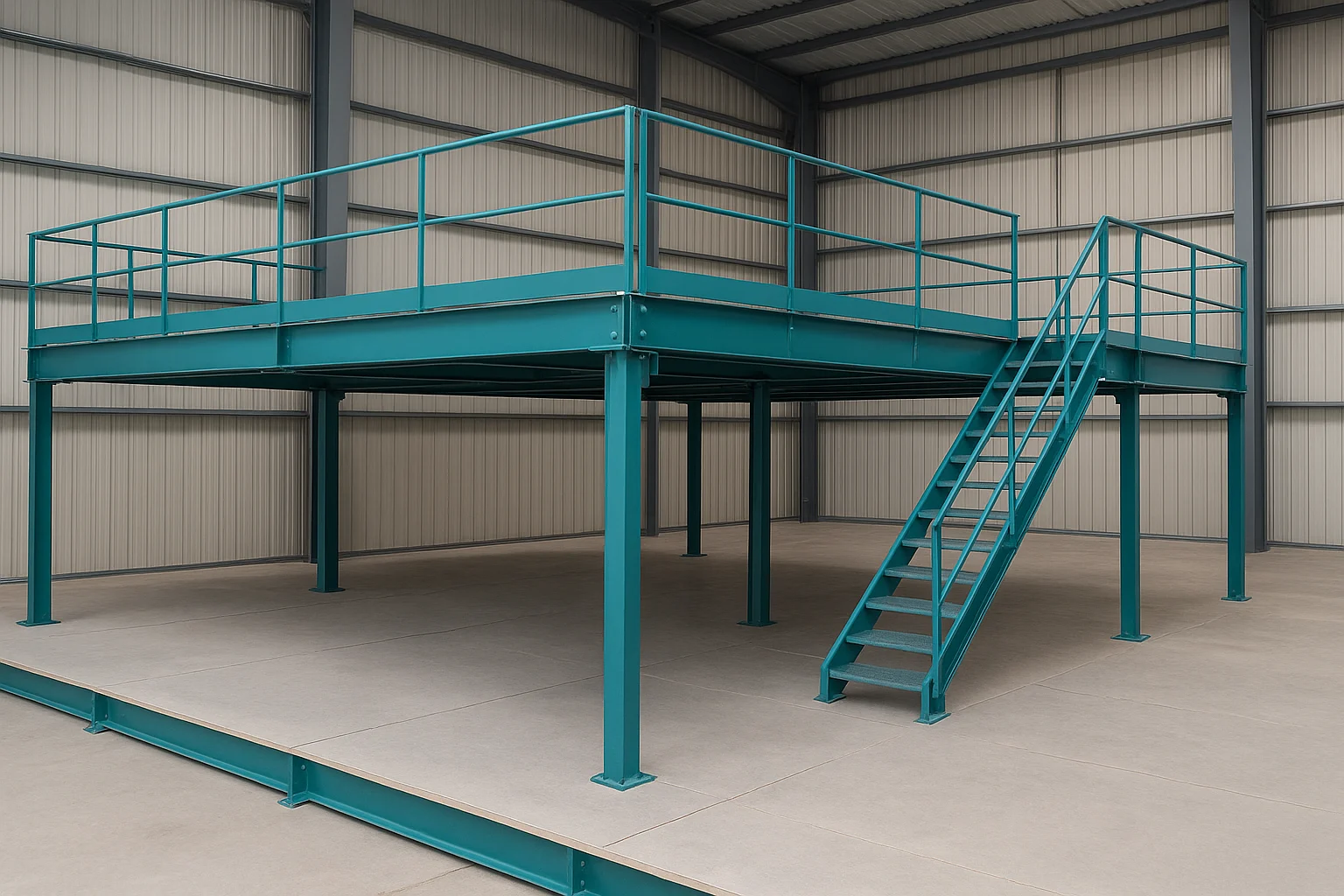
Common Mistakes to Avoid When Installing a Mezzanine Floor
Installing a mezzanine floor can be a game-changer for maximizing space in warehouses, retail areas, and industrial facilities. However, even a seemingly straightforward installation can go wrong if common mistakes aren’t avoided. From safety hazards to compliance pitfalls, knowing what to watch out for ensures your mezzanine is functional, safe, and built to last.
Below, we explore the most common errors in mezzanine floor installation, with practical tips for avoiding them. We’ll also reference installation guides, compliance requirements, and engineering considerations to help you stay on the right track.
1. Skipping Detailed Planning
Mistake: Jumping into installation without a comprehensive plan.
A mezzanine floor isn’t just a platform; it’s a structural addition that interacts with your existing building. Skipping planning can result in misaligned supports, insufficient load capacity, and even unsafe conditions.
Solution:
- Conduct a full site assessment, including ceiling height, floor load capacity, and existing structures.
- Plan the layout for maximum efficiency, considering access points, storage requirements, and machinery placement.
- Consult your engineering team early in the planning phase.
2. Ignoring Load Calculations
Mistake: Underestimating the weight your mezzanine will need to support.
Mezzanine floors are designed for specific loads, including static weight (storage, shelving) and dynamic weight (people walking, moving equipment). Ignoring proper calculations can compromise safety.
Solution:
- Determine maximum expected loads for all areas.
- Include safety factors recommended in local building codes.
- Review calculations with a qualified structural engineer. See our engineering post for detailed guidance.
3. Failing to Obtain Compliance Approvals
Mistake: Installing without adhering to local building regulations or safety codes.
Mezzanine floors often require approvals for structural integrity, fire safety, and accessibility. Installing without permits can lead to fines or costly rework.
Solution:
- Check local building codes before installation.
- Ensure fire exits, railings, and load limits comply with standards.
- Obtain all necessary permits and inspections. Reference our compliance guide for up-to-date regulations.
4. Choosing the Wrong Materials
Mistake: Using substandard or incompatible materials.
Selecting materials without considering durability, weight, and compatibility can compromise structural integrity. For example, using lightweight panels for a high-load area is a common error.
Solution:
- Use steel beams rated for the expected load.
- Select flooring panels designed for your specific use (wood, metal decking, or reinforced panels).
- Consult supplier specifications and your installation guide to match materials correctly.
5. Overlooking Access and Egress
Mistake: Installing the mezzanine without adequate stairs, ladders, or safety exits.
Even the most robust floor is useless if it isn’t accessible or safe. Poorly planned access routes can create bottlenecks, reduce efficiency, and increase accident risk.
Solution:
- Include wide, clearly marked staircases or ladders.
- Ensure fire exits and emergency access meet local standards.
- Consider ergonomics for daily use and movement of goods.
6. Neglecting Safety Features
Mistake: Skipping safety railings, toe boards, or anti-slip surfaces.
Safety features are not optional—they protect workers and prevent accidents. Neglecting them can lead to injuries and legal liabilities.
Solution:
- Install guardrails and toe boards around open edges.
- Use anti-slip flooring for high-traffic areas.
- Include clear signage for load limits and safety instructions.
7. Poor Integration with Existing Structures
Mistake: Installing the mezzanine without considering the building’s current structure.
Improper integration can affect columns, beams, and flooring, causing uneven load distribution or damage to the building.
Solution:
- Perform a structural survey to assess load points.
- Reinforce existing columns and foundations if necessary.
- Coordinate with your engineering team to design proper load paths.
8. DIY Installation Without Expertise
Mistake: Attempting installation without professional help.
While DIY can save costs, mezzanine floors involve precise measurements, welding, and structural alignment. Mistakes can be dangerous and expensive to fix.
Solution:
- Hire qualified installers or structural engineers.
- Follow step-by-step instructions from a trusted installation guide.
- Ensure all team members are trained in safety and proper assembly.
9. Ignoring Maintenance Considerations
Mistake: Not planning for long-term maintenance.
A mezzanine floor is an investment. Ignoring maintenance can lead to premature wear, rust, or safety hazards.
Solution:
- Schedule regular inspections for structural integrity.
- Check bolts, beams, and flooring for signs of wear or damage.
- Maintain clear access for cleaning and repairs.
10. Underestimating Costs
Mistake: Budgeting only for materials, ignoring hidden costs like permits, engineering fees, or additional reinforcements.
Unexpected expenses can halt projects and compromise quality.
Solution:
- Include all potential costs in your initial budget.
- Plan for contingencies (10–15% of total budget is common).
- Consult your installation and compliance guides to avoid surprises.
Conclusion
Installing a mezzanine floor can dramatically improve your space efficiency, but avoiding common mistakes is critical for safety, compliance, and longevity. Careful planning, accurate load calculations, adherence to local regulations, and using the right materials will prevent costly errors. Always involve qualified professionals and follow established guidelines for the best results.
By following these tips and consulting trusted resources like our installation guide, compliance checklist, and engineering post, you can ensure your mezzanine floor is safe, efficient, and built to last.
FAQs
Where Does Your Business Operate?
We deliver Custom mezzanines across Queensland including Brisbane, Gold Coast, Sunshine Coast, Toowoomba, Ipswich, Logan, Redlands, Bundaberg, Baringa, Coolum, Cooyroy, Redbank, Yatala Rockhampton, Mackay, Townsville, Cairns and regional QLD.
What mezzanine load ratings can you design for (office vs palletised storage)?
We design to your use case—office live loads through to heavy palletised storage—engineered to AS/NZS 1170 and documented in your certification pack.
Do I need engineering if it’s just for storage?
Yes. Every mezzanine—regardless of use—must be structurally certified for safety, compliance, and long-term use.
Can the design allow for future expansion?
Yes. We can design your mezzanine for future expansion.
- Ways to Reconfigure Your Mezzanine Floor as Your Business Grows | Factory Mezzanine Floors
- Before & After: Transforming Warehouse Layouts with Mezzanine Floors
- How a Mezzanine Floor Increased Productivity by 40%
- Common Mistakes to Avoid When Installing a Mezzanine Floor
- How a Mezzanine Floor Can Double Your Storage Without Adding a Single Square Metre
- Mezzanine Floors vs. Relocation: Which Saves More Money? | Factory Mezzanine Floors
- 5 Signs Your Business Needs a Mezzanine Floor | Factory Mezzanine Floors
- The Importance of Professional Engineering in Mezzanine Design | Factory Mezzanine Floors
- How to Ensure Your Mezzanine Floor Meets Fire Safety Standards
- How to Ensure Your Mezzanine Floor Meets Fire Safety Standards in Australia