
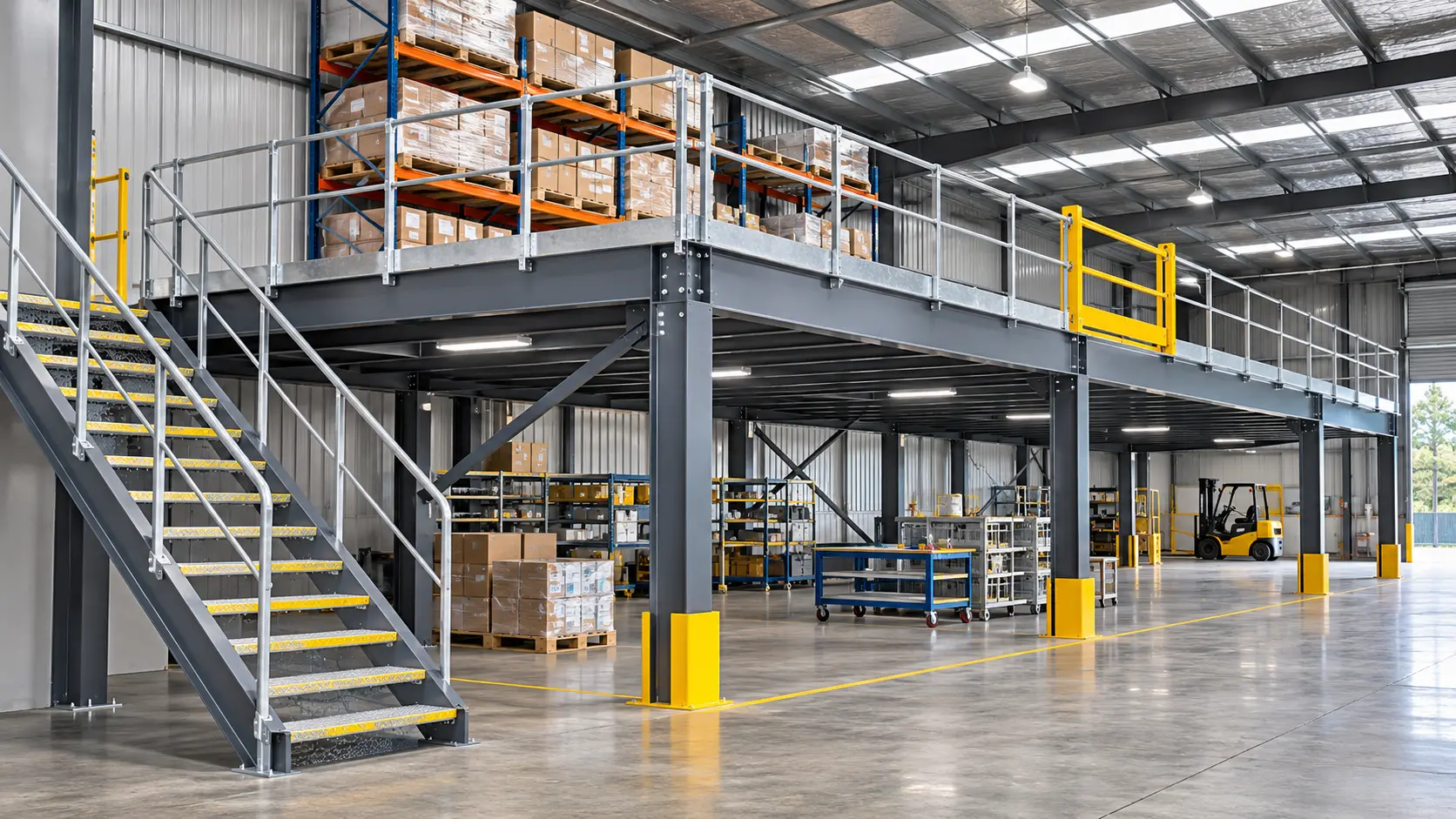
How to Maintain Your Mezzanine Floor for Maximum Longevity
A mezzanine floor is a practical investment for businesses looking to maximise their available space without the expense and disruption of relocating or extending their premises. Whether used for additional warehouse storage, office space, production areas or operational workstations, a well-designed mezzanine can significantly improve how a facility operates.
However, installing a mezzanine floor is only the beginning. Like any major structural asset, it requires ongoing attention to maintain its performance, safety and long-term value.
For warehouse managers, business owners and facility operators, effective mezzanine floor maintenance goes beyond keeping the surface clean. It involves monitoring structural components, managing load capacity, maintaining safety features and ensuring the platform remains suitable as business requirements change.
At Factory Mezzanine Floors, we understand that a mezzanine needs to work for your business today while supporting its needs well into the future. Here are the essential maintenance practices to help protect your investment and get the most from your mezzanine floor.
1. Schedule Regular Mezzanine Floor Inspections
Regular inspections are one of the most effective ways to identify potential problems before they become expensive repairs or serious safety concerns.
Although industrial mezzanine floors are designed to handle demanding working environments, everyday operations can take their toll. Forklift movements, material handling, vibration, accidental impacts and general wear can affect different parts of the structure over time.
Establish a routine inspection programme that considers how frequently the mezzanine is used and the conditions within your facility.
During inspections, pay particular attention to:
- Structural beams and columns: Look for visible bending, damage, corrosion or unusual movement.
- Bolted connections: Check for loose, missing or damaged fixings.
- Floor decking: Identify worn surfaces, loose panels, uneven sections or other damage.
- Bracing and supports: Check for visible deterioration or signs of impact.
- Staircases and handrails: Ensure all components remain secure and in good condition.
Routine visual checks can be incorporated into regular facility maintenance. More detailed structural assessments should be undertaken by appropriately qualified professionals at suitable intervals and whenever damage, unusual movement or changes in use warrant further investigation.
Keep inspection records, including photographs, observations and completed repairs. This documentation provides a useful maintenance history and can assist with future engineering assessments or modifications.
2. Understand and Monitor Your Mezzanine's Load Capacity
Load capacity is one of the most important factors influencing the safety and longevity of a mezzanine floor.
Every mezzanine is engineered for a particular purpose and specified loading requirements. A platform designed for lightweight office furniture, for example, will have different requirements from one intended for heavy palletised storage or industrial equipment.
Exceeding the approved load rating can place unnecessary stress on structural components and potentially compromise the integrity of the entire system.
To manage load capacity effectively:
Display load-rating signage: Make the approved load capacity clearly visible at appropriate access points. Employees and contractors should understand the maximum permitted loading before placing materials or equipment on the platform.
Distribute weight appropriately: Avoid concentrating heavy stock, machinery or equipment in one location unless the engineered design specifically allows for it. The difference between evenly distributed loads and concentrated loads is important.
Monitor changes in inventory: As stock levels increase or storage methods change, review whether the existing loading arrangements remain suitable.
Account for equipment and operational loads: Remember that stored goods are not the only consideration. Equipment, shelving, machinery, people and other operational requirements also contribute to the overall loading.
If you are unsure whether your mezzanine can accommodate a new storage arrangement or heavier equipment, seek advice from a suitably qualified structural engineer before making changes.
For additional information, read our guide on mezzanine floor load capacity.
3. Keep Your Mezzanine Floor Clean and Well Maintained
Good housekeeping plays a bigger role in mezzanine floor longevity than many businesses realise.
Warehouses and factories naturally accumulate dust, packaging materials, loose stock and other debris. If left unattended, these materials can create hazards, hide developing damage and interfere with everyday operations.
Make cleaning part of your regular maintenance routine.
Remove loose materials and unnecessary items, clean up oil or liquid spills immediately and use appropriate cleaning products for the installed flooring system.
Pay particular attention to areas around staircases, walkways, loading gates and frequently used storage zones. These areas often experience higher levels of foot traffic and material movement.
It is also worth checking the floor surface for scratches, deterioration, loose panels or uneven sections. Any damage should be assessed and repaired using an appropriate method rather than covered up with a temporary fix.
A clean, well-maintained platform is easier to inspect, safer for employees and better suited to ongoing warehouse operations.
4. Maintain Guardrails, Stairs and Other Safety Features
Structural integrity is essential, but it is only one part of maintaining a safe mezzanine floor.
Access points, staircases, handrails, guardrails and pallet gates all contribute to workplace safety. These components need regular attention, particularly in facilities where employees frequently move stock and equipment between levels.
Inspect guardrails and handrails for loose connections, corrosion, missing components or signs of impact damage. Staircases should be checked for secure fixings, damaged treads, obstructions and worn surfaces.
Loading gates also deserve attention. Make sure they operate correctly and provide appropriate fall protection during loading and unloading activities.
Consider the following as part of your safety checks:
- Keep stairways and walkways clear of stock and equipment.
- Ensure handrails and guardrails remain secure.
- Check pallet gates and access systems for correct operation.
- Maintain suitable lighting around stairs and work areas.
- Keep emergency access and exit routes unobstructed.
- Investigate any damaged or missing safety components promptly.
All safety arrangements should be assessed against applicable Australian workplace health and safety requirements, building regulations and relevant Australian Standards.
For businesses operating busy warehouses, maintaining these features helps reduce workplace risks while allowing employees to use the mezzanine confidently.
5. Prevent Rust and Structural Deterioration
Steel mezzanine systems offer strength and durability, making them well suited to industrial and commercial environments. However, steel components still require protection from environmental conditions that can contribute to corrosion.
Moisture, humidity, chemicals, airborne contaminants and coastal conditions can gradually affect exposed steelwork and protective coatings.
Regularly inspect columns, beams, connection points and other exposed structural components for rust, flaking paint or visible deterioration.
Where protective coatings have been damaged, arrange suitable surface preparation and recoating in accordance with the coating manufacturer's recommendations.
Businesses operating in humid environments or facilities exposed to regular wash-down processes should pay particular attention to areas where moisture may accumulate.
If corrosion affects a structural component, seek professional advice before attempting repairs. Cutting, drilling, welding or replacing structural members without engineering approval can compromise the design and safety of the mezzanine.
Addressing corrosion early is generally easier and less disruptive than dealing with extensive structural deterioration later.
6. Plan Future Reconfiguration Without Compromising Structural Safety
One of the biggest advantages of a mezzanine floor is its ability to support changing business requirements.
A platform initially installed for general storage may eventually need to accommodate additional shelving, picking areas, workstations, machinery or office facilities. As businesses expand, their use of available space naturally evolves.
However, reconfiguring a mezzanine requires careful planning.
Before changing the layout, consider whether the proposed modifications will affect the original structural design or approved load capacity.
For example, introducing heavier pallet racking or industrial machinery may create concentrated loads that the existing platform was not designed to support. Similarly, changing storage arrangements could affect access routes, pedestrian movement and material-handling activities.
Before proceeding with significant changes:
- Review the existing engineering drawings and load-rating information.
- Identify any changes to equipment, storage loads or operational activities.
- Consult a suitably qualified structural engineer where structural performance may be affected.
- Review stair access, guardrails, pallet gates and emergency routes.
- Update relevant drawings, safety documentation and load-rating information following approved modifications.
A well-planned reconfiguration can help businesses make better use of their existing floor space without automatically committing to a larger facility.
If future expansion is on the horizon, discuss adaptability when planning your mezzanine solution. Factory Mezzanine Floors provides customised mezzanine solutions designed around different operational requirements, helping businesses make better use of their available space.
7. Maintain Accurate Maintenance and Compliance Records
Keeping accurate records makes it easier to manage maintenance and demonstrate that appropriate attention is being given to workplace safety.
Rather than relying on staff to remember when something was last checked, establish a simple system for documenting inspections, repairs and approved modifications.
Your records should include:
- Inspection dates and findings.
- Photographs of identified damage or deterioration.
- Maintenance and repair activities.
- Structural engineering reports and relevant certifications.
- Approved load capacities and signage details.
- Changes to floor layouts, storage arrangements or equipment.
- Safety checks covering stairs, guardrails and loading gates.
Assign responsibility for routine checks and make sure employees know how to report damage or potential safety concerns.
The frequency of inspections should reflect the mezzanine's design, operating environment, usage and professional recommendations. Where structural concerns arise, arrange an appropriate assessment rather than relying on routine visual checks alone.
Good documentation also provides a valuable reference when planning future upgrades, expansions or reconfigurations.
8. Establish a Practical Mezzanine Maintenance Schedule
The best maintenance programme is one that can be consistently followed without unnecessarily disrupting daily operations.
A straightforward schedule can help ensure important tasks are not overlooked.
Daily
- Remove spills, debris and unnecessary obstructions.
- Keep walkways and staircases clear.
- Report visible damage or unsafe conditions.
Monthly or quarterly
- Conduct documented visual inspections of accessible structural components.
- Check floor surfaces, stairs, handrails and guardrails.
- Review loading arrangements and general housekeeping.
Annually or as professionally recommended
- Arrange a detailed structural assessment where appropriate.
- Review maintenance records and recurring issues.
- Reassess operational requirements and loading arrangements.
Following an incident or major modification
- Investigate suspected overloading, impact damage or unusual structural movement.
- Obtain professional advice where structural integrity may be affected.
- Review approved modifications before returning affected areas to normal use.
This schedule is a practical starting point rather than a universal compliance requirement. Your maintenance programme should reflect the specific design and working conditions of your mezzanine.
Protect Your Investment with Proactive Mezzanine Maintenance
A mezzanine floor is more than additional storage or workspace. It is an important part of your facility's overall infrastructure, supporting productivity, workflow and business growth.
Taking a proactive approach to maintenance helps protect that investment. Regular inspections, responsible load management, effective housekeeping and properly maintained safety features all contribute to reliable long-term performance.
Just as importantly, understanding when professional advice is needed can prevent seemingly minor issues from developing into costly problems.
At Factory Mezzanine Floors, we help Australian businesses maximise their available space through tailored mezzanine solutions, from engineered designs and fabrication through to installation and project management.
Whether you are maintaining an existing mezzanine, considering a structural upgrade or planning a future expansion, getting the fundamentals right is essential.
Looking to improve your warehouse or factory space? Speak with Factory Mezzanine Floors about a mezzanine solution designed around your business requirements.
Visit Factory Mezzanine Floors to explore our services and request a quote.
- Mezzanine Floor Maintenance: Maximise Longevity & Safety
- How to Maintain Your Mezzanine Floor for Maximum Longevity
- How to Reconfigure a Mezzanine Floor as Your Business Grows
- Warehouse Layout Ideas with Mezzanine Floors: How to Plan the Zones, Flow and Access
- How a Mezzanine Floor Increased Productivity by 40%
- Buying a Mezzanine Floor: Quoting Mistakes That Cost Businesses Money
- Mezzanine Fire Safety NSW: Approvals, Certifiers and Ongoing Obligations
- Mezzanine Fire Safety Requirements: How the NCC Treats Mezzanines
- Mezzanine Installation Mistakes: What Goes Wrong on Site and How to Avoid It
- Retail Stockroom Mezzanine on the Gold Coast: Free Up Your Shop Floor